
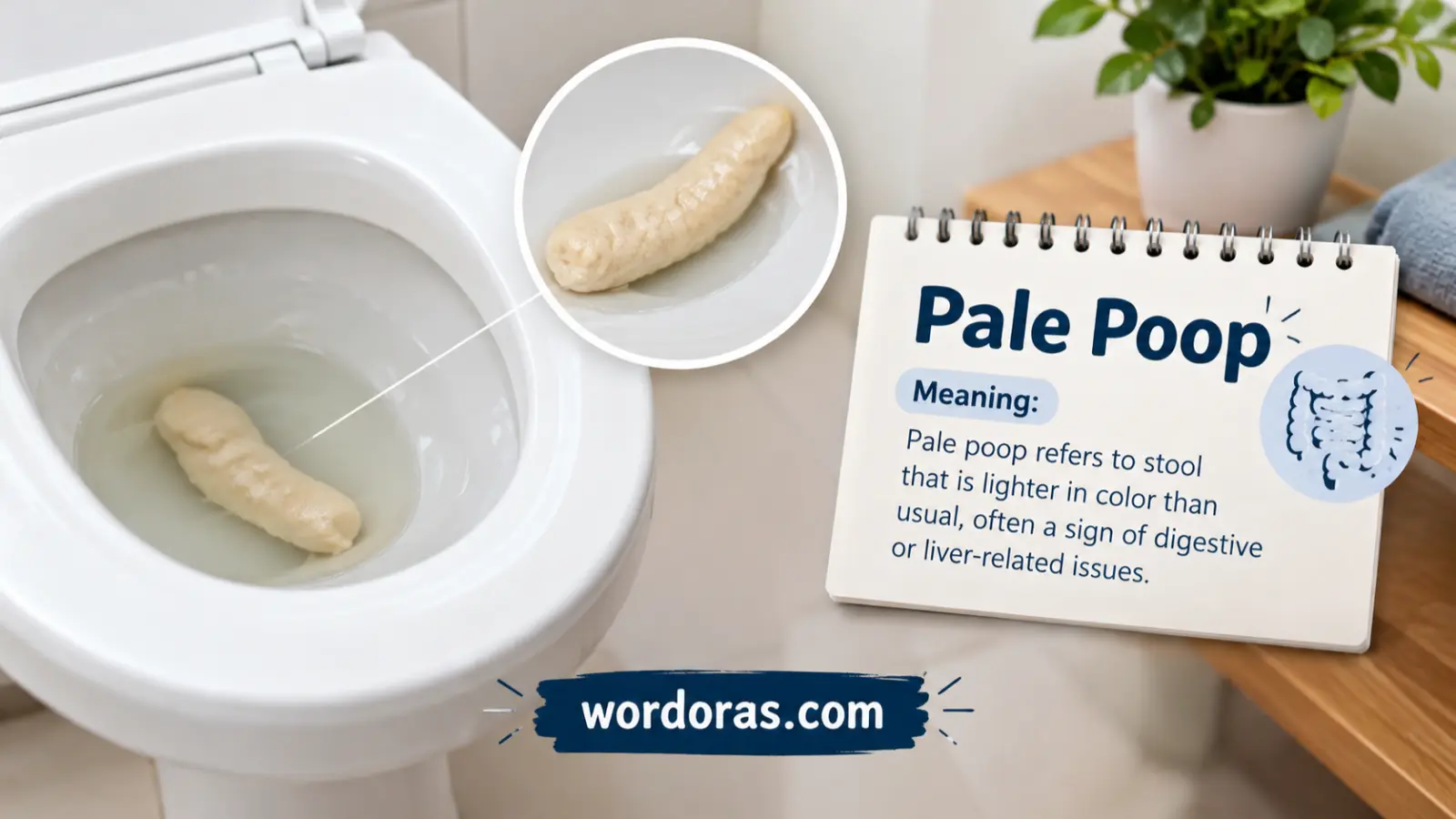
Pale poop can be surprising, especially when you notice that your stool looks lighter than usual. Normally, stool ranges from light brown to dark brown, but sometimes it may appear pale, gray, clay-colored, or almost white.
This change can happen for several reasons, including certain medications, changes in digestion, or problems affecting the liver, gallbladder, or bile ducts.
Understanding the meaning of pale poop can help you recognize when a color change may be temporary and when it needs medical attention.
A single unusual bowel movement may not always indicate a serious problem, but pale or clay-colored stool that continues for several days should not be ignored.
It is especially important to seek medical advice if you also notice yellowing of the skin or eyes, dark urine, abdominal pain, fever, or unexplained weight loss.
In this guide, we will explain what pale poop means, explore its common causes, identify symptoms to watch for, and discuss when you should see a doctor. By understanding these signs, you can make more informed decisions about your digestive health without jumping to conclusions.
What Does Pale Poop Mean?
Pale poop refers to stool that looks unusually light compared with your normal bowel movements. Instead of the usual brown color, it may appear beige, gray, chalky white, or similar to wet clay.
Stool color can change for several reasons, including food, medication, and digestive conditions. However, genuinely pale or clay-colored stool can sometimes indicate that your body is not delivering enough bile to your intestines.
Bile is a digestive fluid produced by your liver and stored in your gallbladder. It helps digest fats and contributes to the normal brown color of stool. If bile production or flow is disrupted, your poop may become much lighter than usual.
The key point: One unusual bowel movement does not automatically mean you have a serious illness. But persistent pale, gray, or white stool should not be ignored.
What Does Pale Poop Look Like?
Pale stool can have several appearances. The exact shade matters, but color alone cannot identify the cause.
| Stool color | What it may indicate |
|---|---|
| Light brown or tan | May be a normal variation, depending on your usual stool color |
| Pale yellow | May be related to digestion, diet, or a condition affecting fat absorption |
| Gray or clay-colored | May indicate reduced bile reaching the intestines |
| White or chalky | Can signal a significant problem with bile production or flow |
| Yellow, greasy, and foul-smelling | May suggest excess fat in the stool or difficulty absorbing nutrients |
These are general clues, not a way to diagnose a condition at home. Persistent gray, white, or clay-colored stool deserves medical assessment.
What Causes Pale Poop?
Several conditions and substances can make stool look lighter than usual. Some are temporary, while others require medical treatment.
1. Reduced bile flow
Bile helps your body digest fats and gives stool its typical brown color. If bile cannot reach the intestines normally, stool may become pale or clay-colored.
Possible causes include gallstones, narrowed bile ducts, or another blockage that interferes with bile flow. This is one of the most important explanations to consider when stool becomes persistently pale.
2. Liver conditions
The liver produces bile, so certain liver conditions can affect stool color.
Examples include:
- Hepatitis, which causes inflammation of the liver.
- Cirrhosis, which involves significant liver scarring.
- Other liver disorders that interfere with bile production or movement.
Pale stool does not automatically mean you have liver disease. A healthcare professional must assess your symptoms and determine the cause.
3. Gallstones or gallbladder problems
Gallstones can sometimes block the flow of bile into the intestines. When this happens, stool may become unusually light.
Other symptoms can include pain in the upper abdomen, nausea, or yellowing of the skin and eyes. Pale stool accompanied by these symptoms should be assessed promptly.
4. Pancreatic conditions
The pancreas helps with digestion by producing enzymes that break down food. Certain pancreatic conditions can interfere with digestion and may be associated with pale or greasy stool.
For example, pancreatitis can sometimes occur alongside changes in stool color. Stool that repeatedly looks oily, floats, or smells unusually strong may also indicate problems with fat digestion or absorption.
These features are not specific to one disease, so a medical assessment is important if they persist.
5. Medicines and medical procedures
Some medicines and substances used during medical procedures can temporarily affect stool color.
Examples include:
- Certain aluminum-containing antacids.
- Barium used in some digestive tract imaging procedures.
- Some other medicines that influence digestion or stool appearance.
If your stool changes after starting a medicine or undergoing a procedure, check the product information and discuss the change with your healthcare professional. Do not stop prescribed medication without appropriate advice.
6. Dietary changes
Food can influence stool color, and a temporary change may be harmless. However, a persistently white or clay-colored stool should not simply be blamed on diet without considering other causes.
If the color change is unusual, recurrent, or accompanied by other symptoms, seek medical advice rather than relying on dietary explanations alone.
Is Pale Poop a Sign of Liver Problems?
It can be, but it is not always.
Your liver produces bile, which travels through the bile ducts into the digestive system. If a liver condition reduces bile production or a blockage prevents bile from flowing normally, stool can become pale.
Look out for other possible warning signs:
- Yellow skin or whites of the eyes.
- Dark brown urine.
- Unusual itching.
- Abdominal pain.
- Nausea or fever.
Pale stool combined with dark urine or jaundice needs urgent medical evaluation. If you have severe abdominal pain, fever or chills, or feel seriously unwell, seek emergency care.
Pale Yellow Poop vs. White or Gray Poop
Not every light-colored stool carries the same significance.
Pale yellow poop: A yellow tint can have several explanations, including dietary factors and digestive changes. If it is repeatedly greasy, foul-smelling, or accompanied by unexplained weight loss, arrange a medical assessment.
Light tan poop: This may be a normal variation for some people, particularly if it is brief and you have no other symptoms. A clear change from your usual color still deserves attention if it continues.
Gray or clay-colored poop: This is more concerning because it can indicate that too little bile is reaching the intestines.
White poop: White or chalky stool is not typical. Mayo Clinic advises seeking medical care right away because it can indicate a serious problem affecting bile production or flow.
If you are unsure which shade you are seeing, focus on whether the change persists and whether you have other symptoms. Do not rely on color alone to determine your health.
When Should You See a Doctor for Pale Poop?
Knowing when to seek care is more important than trying to identify the cause yourself.
Arrange medical advice if the change persists
Contact a healthcare professional if pale or clay-colored stool continues for more than a few days, keeps returning, or has no clear explanation. Do not wait several days if the stool is distinctly white or you have other concerning symptoms.
Seek urgent medical care
Get prompt assessment if pale stool occurs with dark urine, yellow skin or eyes, persistent itching, or abdominal pain. White or chalky stool also warrants prompt evaluation even if you otherwise feel well.
Go to emergency care for severe symptoms
Severe abdominal pain, especially with fever or chills, jaundice, or feeling seriously ill, can signal a serious liver or bile duct problem. Do not delay emergency assessment.
What Does Pale Poop Mean in Babies?
Pale stool in babies deserves particular attention.
A baby’s stool color changes during early development, but white, gray, or chalky stool is not a normal variation to dismiss. It can be a sign of a condition affecting bile flow, including biliary atresia, a rare condition in which the bile ducts are blocked or absent.
If a baby has white, gray, or very pale stool, contact a healthcare professional immediately for assessment. Do not wait to see whether the color returns to normal.
Also seek prompt medical advice if the baby has yellow skin or eyes, dark urine, poor feeding, or unusual sleepiness.
How Do Doctors Find the Cause of Pale Stool?
A doctor will consider your symptoms, medical history, medicines, and how long the color change has lasted.
Depending on what they find, the evaluation may include:
- Blood tests: To assess liver function and look for signs of inflammation or other problems.
- Abdominal ultrasound: To check the liver, gallbladder, and bile ducts for abnormalities.
- CT or MRI scans: To examine suspected blockages or other structural problems.
- Additional procedures: In selected cases, a procedure such as endoscopic retrograde cholangiopancreatography (ERCP) may help investigate or treat a bile duct problem.
Not everyone needs every test. The appropriate investigation depends on the symptoms and the suspected cause.
Treatment also depends on the underlying condition. A medicine-related color change may require a different approach from gallstones, hepatitis, or a blocked bile duct.
What Should You Do if Your Poop Is Pale?
If you notice an unusual color, take these practical steps:
- Notice the shade. Is it light brown, yellow, gray, clay-colored, or white?
- Check for other symptoms. Pay attention to dark urine, jaundice, itching, abdominal pain, fever, and nausea.
- Review recent changes. Think about new medicines, antacids, or recent medical imaging procedures.
- Track whether it happens again. Note how long the change lasts and whether your bowel movements look greasy or unusual in other ways.
- Seek appropriate care. Contact a healthcare professional if the stool remains pale, and seek prompt or emergency care for the warning signs described above.
Do not try to treat persistent pale stool with detox products, supplements, or restrictive diets before finding out what is causing it.
Common Misunderstandings About Pale Poop
Myth 1: Pale poop always means liver disease.
Not necessarily. Liver disease is one possible cause, but gallstones, bile duct problems, pancreatic conditions, and certain medicines can also affect stool color.
Myth 2: If there is no pain, pale poop is harmless.
Not always. Some conditions that affect bile flow may initially cause few symptoms. Persistent white or clay-colored stool still needs medical assessment.
Myth 3: Drinking more water will fix pale poop.
Staying hydrated is important for general health, but water does not correct a blockage or a problem with bile production.
Myth 4: One unusual bowel movement always means something serious.
A single color change may not be dangerous. The shade, duration, recurrence, and presence of other symptoms all matter. White or chalky stool, however, should be assessed promptly.
FAQs:
1. What does pale poop mean?
Pale poop means your stool is lighter than usual. It may result from reduced bile reaching the intestines, certain medicines, or an underlying condition affecting the liver, gallbladder, bile ducts, or pancreas.
2. Is pale poop dangerous?
It can be, depending on the cause. One mildly lighter bowel movement may not indicate a serious problem, but persistent pale, gray, or clay-colored stool should be evaluated. White stool requires prompt medical attention.
3. Can dehydration cause pale poop?
Dehydration is not a typical explanation for genuinely white or clay-colored stool. If your stool is persistently pale, do not assume that drinking more water will solve the problem.
4. What does pale poop with dark urine mean?
This combination can indicate that bile is not flowing normally and may be associated with a liver or bile duct problem. Seek urgent medical evaluation, especially if your skin or eyes also look yellow.
5. Can medicines cause pale stool?
Yes. Certain medicines, including aluminum-containing antacids, and barium used in some imaging procedures can make stool appear lighter. However, persistent or white stool should not automatically be attributed to medication.
6. How long can pale poop last before I should worry?
Contact a healthcare professional if pale or clay-colored stool lasts more than a few days or repeatedly returns. Do not wait if the stool is white or you have dark urine, jaundice, abdominal pain, fever, or other concerning symptoms.
Final Takeaway:
The meaning of pale poop depends on its color, how long the change lasts, and whether other symptoms appear.
A temporary change may have a simple explanation, but persistently pale, gray, or clay-colored stool can indicate a problem with bile flow or the digestive system.
Pay particular attention to white stool, dark urine, yellow skin or eyes, and abdominal pain. If your stool is white or chalky, seek prompt medical care; if it occurs with severe pain, fever, or feeling seriously unwell, seek emergency care.
Reliable guidance from Cleveland Clinic and Mayo Clinic supports taking persistent pale stool seriously rather than attempting to diagnose the cause from color alone.

I’m Allen Vick, the creator of Wordoras.com, a website dedicated to making words, phrases, and their meanings simple and easy to understand.
I’m passionate about clear language and helping readers discover the meaning, usage, pronunciation, and context behind everyday words and expressions. Through Wordoras, I aim to make learning new words simple, practical, and enjoyable for everyone.